From Lycra to Lab: The Rise of Smart Cycling Apparel
Back in the day, cycling jerseys were all about tight fits, fancy zippers, and colors so bright you could be spotted from space. But times have changed. Today, you’re not just wearing lycra—you’re wearing data. The newest wave of cycling wearables is here, and it’s smarter, lighter, and more integrated than ever before.
You no longer need to strap gadgets to your chest, arm, or handlebars just to get basic performance data. Instead, your jersey or bib shorts might already be collecting everything—from your breathing rhythm to muscle engagement—all while looking like a regular pro kit.
Your Jersey Has a Brain Now (Sort of)
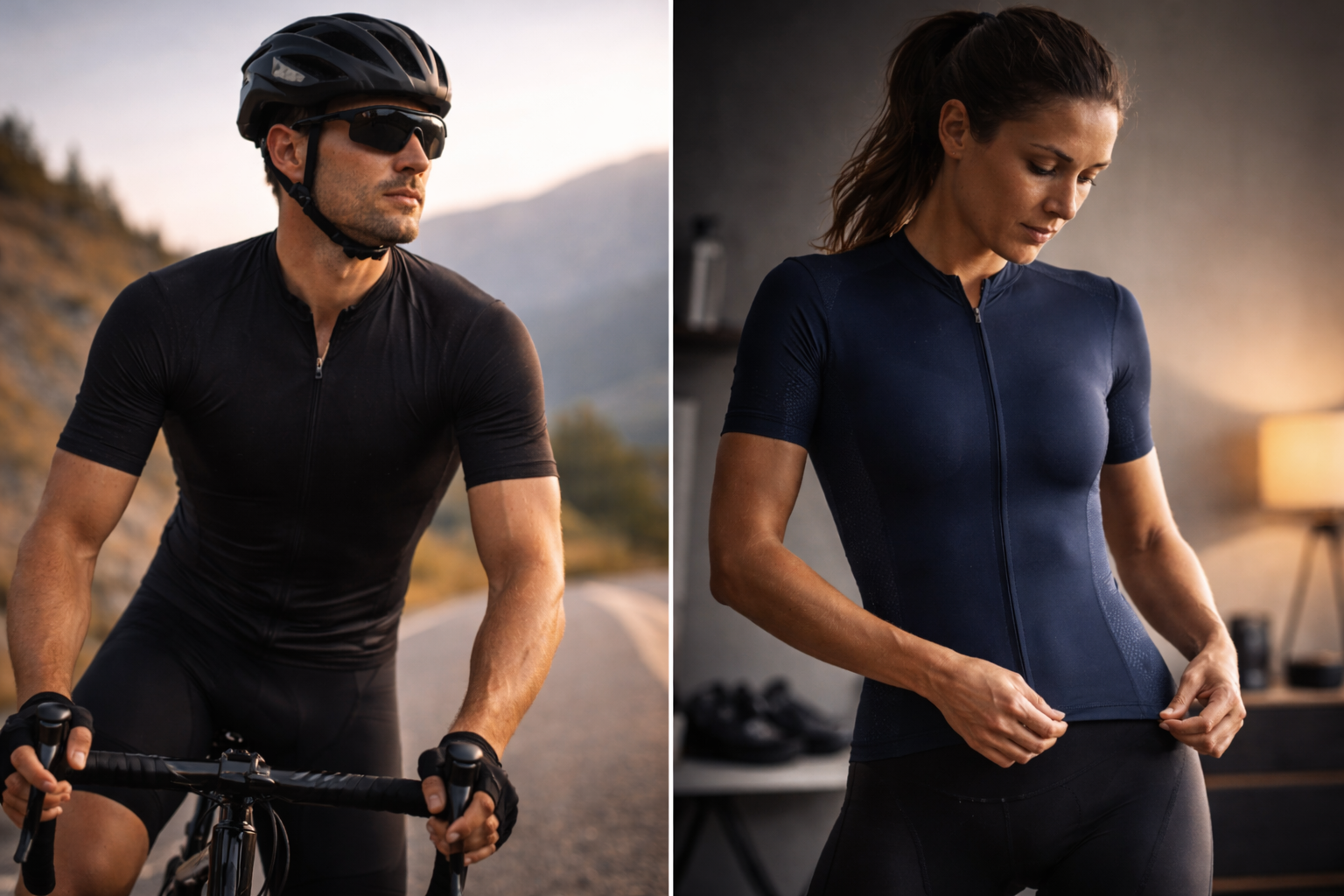
Imagine putting on your usual cycling kit and, without doing anything extra, it starts measuring your heart rate, cadence, and even posture. Sounds futuristic? It’s already happening. Smart apparel now comes with ultra-thin sensors woven right into the fabric. No wires, no bulky hardware—just clever textiles doing their job quietly while you ride.
For indoor cyclists, this is a total game-changer. You don’t want to deal with slipping sensors while grinding up a virtual Alp on Zwift. Indoor cycling wearables let you train smarter without cluttering your space with too many devices. Just throw on your kit and get going.
Plus, many of these garments are machine washable and built to endure serious sweat sessions. Yes, smart fabric can be laundry-safe—who knew?
More Than Just Numbers: Real-Time Coaching on Your Back
Here’s where it gets even cooler. Some sensor-enhanced cycling apparel doesn’t just collect data—it analyzes it on the go. That means it can tell you if you’re pedaling evenly, if your breathing is off, or even if you’re favoring one leg too much. This feedback helps you tweak your form in real time.
So next time you feel like your left quad is doing all the work—your shirt might tell you you’re right. Literally.
This kind of feedback is incredibly valuable for both indoor and outdoor cyclists. But let’s be honest—if you’re riding inside, you’re more likely to experiment with your setup, test positions, and work on form. That makes indoor cycling wearables a really powerful training tool. You’re not just sweating; you’re refining.
Data Without Distraction
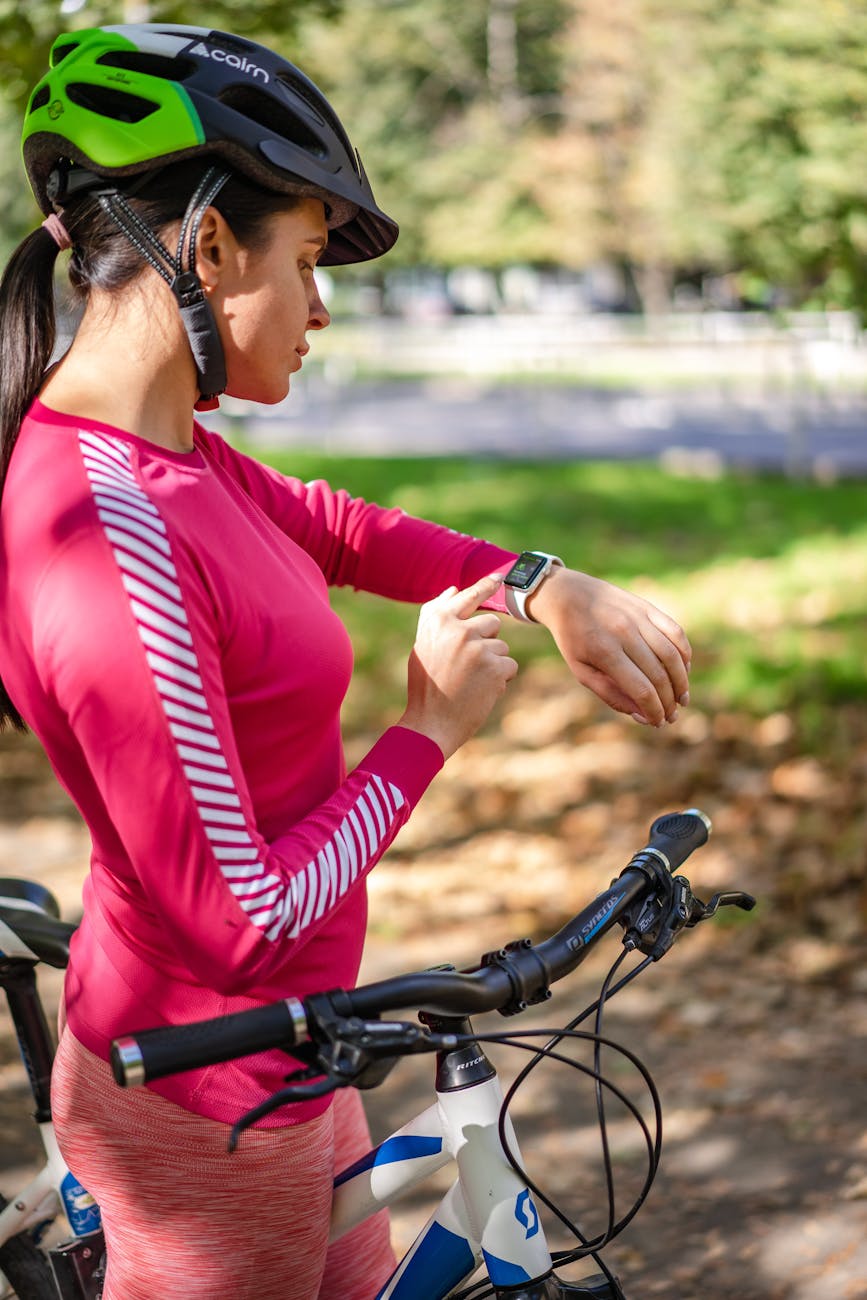
The best part? You don’t have to constantly check your phone or smartwatch. Many smart cycling clothes connect directly to your training app or cycling computer. Some even buzz discreetly when something important happens—like your heart rate hitting your max zone or your cadence falling off.
You stay focused on your ride, not on your gadgets. That’s especially useful during long indoor sessions where it’s easy to get lost in a playlist or zone out completely. Your clothes keep you accountable, even if your brain takes a quick detour.
And because these garments are designed to feel like any other pro-level kit, you won’t even notice all that tech is riding along with you.
Looks Just Like Lycra, But Way Smarter
You might think wearing tech means looking like a sci-fi movie extra, but that’s not the case. These smart kits look like normal cycling apparel—sleek, minimalist, and just as breathable as your favorite bibs or jerseys.
If you’ve been hesitant to try indoor cycling wearables because of style or comfort concerns, don’t worry. Brands are making sure the tech disappears into the design. It’s what’s underneath that counts, and in this case, what’s underneath is a mini lab working to make you faster, safer, and more efficient.
“For more tips on maximizing your indoor training sessions, visit our blog for Indoor Cycling Tips.”
Final Thoughts
You don’t need to be a pro cyclist to take advantage of smart apparel. Whether you’re chasing KOMs, hammering through a virtual race, or just trying to ride more efficiently, these advanced cycling wearables can make a noticeable difference.
With the rise of indoor cycling wearables, even your living room can feel like a high-tech training studio. So next time you suit up, remember—you’re not just putting on a jersey. You’re putting on a smarter way to ride.
Lit Kits: Visibility Gets a High-Tech Makeover
Remember when reflective strips were the coolest safety upgrade your cycling kit could offer? Well, times have changed—big time. Today’s cycling wearables are lighting up the roads, quite literally. Smart visibility gear is here, and it’s not just eye-catching—it’s intelligent, responsive, and seriously cool.
If you’re riding early in the morning, cruising home at dusk, or hitting a late-night indoor session near open windows, visibility matters. While indoor cycling wearables focus on performance and data, outdoor-ready lit kits bring safety and style to the spotlight. And don’t worry, this new tech doesn’t make you look like a walking Christmas tree.
Glowing Gear for the Urban Jungle
Now, your jacket can light up when the sun goes down—without you lifting a finger. New smart cycling kits come with LED strips seamlessly woven into the fabric. These lights respond automatically to low-light conditions and even adapt based on your speed or braking.
That means when you’re slowing down, your kit lets drivers and fellow cyclists know. It’s like having a brake light on your back, but built into your clothes.
The lights are feather-light, don’t get hot, and you won’t even notice them while you ride. That’s the genius of it—no added bulk, no awkward wires, just visibility baked right into your bibs or vest.
And the battery? It’s typically small, rechargeable, and often hidden in a discreet pocket. Some kits even offer wireless charging pads, so you’re never fumbling with cables before a ride.
Turn Signals You Wear
Here’s a trend that feels straight out of a sci-fi movie: turn signals you can wear. Seriously. Some modern cycling wearables include programmable lights that act as turn indicators. You can activate them using a small handlebar remote—or just wave your arm in a certain direction if gesture control is supported.
This is a total game changer if you ride in busy cities where every signal counts. You stay more visible, more predictable, and way safer. Plus, you look like the future while doing it.
Even better, these turn-signal features are now being integrated into more affordable cycling kits. You no longer have to be a tech-savvy racer with a huge budget to enjoy smart safety features.
Daylight Bright, Nighttime Safe
The best part about this lighting revolution? You don’t need to sacrifice performance for safety. The fabrics used in these kits are still aerodynamic, breathable, and stylish. You get all the benefits of a professional-grade jersey—with the added bonus of looking like a light show when the sun goes down.
Whether you’re outdoors on a twilight ride or indoors near windows where your reflection might trick passing cars, smart visibility makes a difference. Indoor cycling wearables may focus on performance, but many riders blend indoor and outdoor sessions. So why not get a kit that’s smart enough to handle both?
The LED elements are designed to withstand harsh weather, high sweat levels, and repeated washing. You won’t need a special laundry routine—just toss them in a garment bag, and you’re good to go.
Ride Smart, Ride Bright
Even if you’re mostly an indoor cyclist, chances are you’ll take your gear outdoors from time to time. And when you do, visibility could be the difference between a smooth ride and a close call. With smart lighting built into your kit, you’re no longer relying on clip-on lights that can fall off or run out of battery mid-ride.
These lit kits make sure you’re always visible, always stylish, and always riding with an edge. Plus, the wow factor is very real—you’ll probably get more than a few compliments at your next group ride.
“For more on how to optimize your indoor cycling setup, visit our blog page.”
Final Thoughts
You don’t have to be a tech geek to appreciate this stuff. Today’s cycling wearables are intuitive, user-friendly, and designed with real cyclists in mind. You get improved safety, seamless integration, and a serious upgrade to your visibility game.
As lit kits continue to evolve, expect even smarter features—like GPS-triggered flashing patterns or app-controlled lighting zones. It’s an exciting time to be a cyclist, especially if you’re into gadgets that make you safer and sleeker on the saddle.
So whether you’re spinning indoors or dashing through dim city streets, your kit can now light the way—literally.

Haptic Navigation: Because Eyes on the Road Matters
Let’s face it—glancing down at your GPS mid-ride is a risky game of “what did I just miss on the road?” If you’ve ever fumbled with voice navigation while dodging potholes or weaving through traffic, you already know how distracting digital guidance can be. Enter haptic navigation: a techy new way to stay on course without taking your eyes off the road—or trail.
Some of the smartest cycling wearables are now putting the “feel” back in road feel. Haptic feedback uses gentle vibrations to give you turn-by-turn directions, alerts, or even race strategy cues. No screens, no sounds, no stress—just ride and respond.
Feel the Ride, Literally
So, how does this haptic wizardry work? Imagine your glove gives a short buzz on the left when it’s time to turn. No need to glance down. Or your shoulder strap vibrates softly when a route changes up ahead. It’s kind of like your bike is tapping you on the shoulder to say, “Hey, heads up!”
You stay focused, relaxed, and way safer—especially on unfamiliar roads or in dense city traffic. It’s like having a sixth sense for your ride, one that doesn’t need charging every hour or distract you with beeping noises.
While most indoor cycling wearables don’t need navigation features (since you’re not going anywhere!), more hybrid devices are coming out that work for both indoor sessions and outdoor adventures. Some smart gloves even track your grip strength and positioning, giving you useful data for indoor training and tactile cues for outdoor rides.
Off-Road Adventures Just Got Smarter
Haptic gear isn’t just for city commuters—it’s a huge win for gravel grinders and long-distance cyclists. When you’re far off the beaten path, reliable navigation becomes more than a convenience—it’s essential. But pulling out your phone or checking your screen every few minutes? Not ideal.
That’s where haptic straps, gloves, or even smart shoulder patches come in. They help you stay the course without constantly interrupting your rhythm. One buzz means a left turn, two for right, and a longer vibration might signal a route change or hazard ahead.
Even better, the tech is discreet and low-profile. Most haptic-enabled wearables look just like regular cycling gear—no flashing lights or space-age gimmicks. Just smart, subtle, and sleek.
Pro-Level Tactics in the Palm of Your Hand
Fun fact: Some pro tour support teams are already testing haptic wearables for mid-race strategy updates. That’s right—your favorite racers might be getting a buzz telling them to attack the breakaway or ease up on a descent. It’s silent, fast, and impossible for rivals to overhear.
Imagine getting real-time coaching via gentle pulses on your shoulder. No need for earbuds or distracting audio, just subtle cues that help you ride smarter and stronger. For group riders or teams, synced haptic kits could revolutionize communication on the road.
Even if you’re not racing the Tour de France anytime soon, the benefits trickle down. Cyclists like you can use the same tools to train more efficiently, especially during endurance rides where focus is key. Whether you’re dodging cars or dodging squirrels, staying alert is half the battle.
Not Just for the Outdoors
You might be thinking, “But what about us indoor riders?” While haptics are mostly useful on the road, there’s still crossover potential. Some trainers are starting to integrate subtle vibration cues to signal when to change cadence, shift gears, or prep for a sprint.
While indoor cycling wearables tend to focus on metrics like heart rate and cadence, haptic feedback could be the next frontier. Imagine getting a buzz that tells you when to stand, when to spin, or when you’re falling off pace—without needing to look at your screen. Pretty cool, right?
Final Thoughts
Haptic navigation is a brilliant reminder that sometimes, less is more. Less screen time, fewer distractions, and more attention on what matters—your ride. Whether you’re navigating a new route, riding through traffic, or grinding through gravel, this tech lets you stay focused and flowy.
And let’s be honest—vibrating gloves that guide your turns? That’s the kind of futuristic flair we can all get behind. Who knew that riding by feel could be so smart?
As cycling wearables continue to evolve, haptic feedback is carving out a well-deserved spot in the gear bags of serious riders. You might not need it every day, but once you try it, you’ll wonder how you ever rode without it.
“For more on how to optimize your indoor cycling setup, visit our blog page.”
Climate-Controlled Kits: The Thermoregulation Revolution
Let’s be honest—cycling in the wrong gear can turn a great ride into an uncomfortable struggle. One minute you’re freezing on a chilly descent, and the next, you’re melting halfway through a steep climb. If you’ve ever peeled off layers mid-ride or wished your jersey had air conditioning, you’re not alone.
Well, good news! The future has arrived, and your cycling kit is getting a climate upgrade. Welcome to the world of climate-controlled apparel—cycling wearables that can literally heat you up or cool you down as needed.
Your Jersey, Now Smarter Than Ever
These new-age kits use technology like phase-change materials and built-in heating or cooling panels to manage your body temperature. Sounds fancy? It is—but also super practical.
Phase-change fabrics adjust automatically when your body starts to overheat or get too cold. No buttons to press, no batteries to charge. The material absorbs or releases heat depending on the conditions around you. So, you stay more comfortable without lifting a finger.
More advanced gear includes battery-powered systems that give you actual temperature control. Imagine tapping a button to warm your core while climbing a foggy mountain road—or cooling down your back while spinning indoors during a sweaty session. You get to ride in your comfort zone, no matter the weather.
While these features shine on outdoor rides, some indoor cycling wearables are catching up. Studios can get hot quickly, and self-cooling base layers are starting to appear for riders who want to avoid mid-ride sweat overload.
Modular Comfort: Because One Size Never Fits All Weather
Let’s talk modular zones. Some of the smartest kits now come with specific heating and cooling zones—because your chest doesn’t feel cold the same way your lower back does.
Chest warmers are great for those early morning starts, while cooling mesh on your back helps vent excess heat during high-output intervals. Some jerseys even have armpit or shoulder panels designed to manage sweat and airflow more efficiently.
You can now find bib shorts with ventilated panels, arm sleeves with mild warming effects, and even socks that adapt to your foot temperature. You’re not just dressing for the weather anymore—you’re dressing for microclimates within your ride.
And if you’re someone who likes to go from an indoor training session straight into the chilly outdoors, modular thermoregulation is a total game-changer.
Less Fatigue, Better Recovery
Staying in your ideal temperature zone isn’t just about comfort—it can directly impact your performance. When your body is too hot or too cold, it works harder to regulate itself. That means energy gets diverted away from your legs and into basic survival mode. Not ideal, right?
With climate-controlled kits, your body stays closer to its ideal operating temperature, so your muscles can focus on pedaling, not thermoregulation. You’ll fatigue slower and recover faster.
Even on a trainer, this matters. Many indoor cycling wearables now include breathable zones or adaptive fabrics that mimic outdoor airflow. You’ll sweat less and perform better—without needing to position four fans around your bike.
It’s Not Just for the Pros Anymore
A few years ago, only elite riders and tech lovers were trying out heated kits. Now, the tech is becoming more affordable, lighter, and easier to use.
You don’t have to carry a battery pack the size of a lunchbox. Most smart kits tuck everything away into slim, nearly invisible pockets. You’ll look sleek, not like a walking science project.
Plus, brands are focusing more on style. Climate gear no longer looks like a ski jacket disguised as a jersey. You’ll find race-cut options, fun colors, and even commuter-friendly designs that work just as well off the bike.
And yes, many of these pieces are still machine washable. Because performance means nothing if it takes an hour to do your laundry afterward.
Quick Tips Before You Buy
- Check for ventilation zones—back, underarms, and chest are key areas.
- Battery-powered gear? Look for kits with long runtimes and USB charging.
- Layer smart. Climate kits work best when paired with technical base layers or smart fabrics.
- Try it indoors first. Some self-regulating materials work beautifully in indoor cycling wearables before you even hit the road.
- Smart apparel now comes with ultra-thin sensors woven right into the fabric. No wires, no bulky hardware—just clever textiles doing their job quietly while you ride.
Read more about the science of smart fabrics at Science Direct.”
Final Spin
Whether you’re a year-round outdoor warrior or someone who crushes intervals in a garage pain cave, staying comfortable is part of the performance puzzle. Climate-controlled cycling wearables take the guesswork—and the shivers—out of your gear.
Once you try it, you’ll wonder how you ever trained without a little help from high-tech heat (or chill). Your future rides are about to feel just right.